
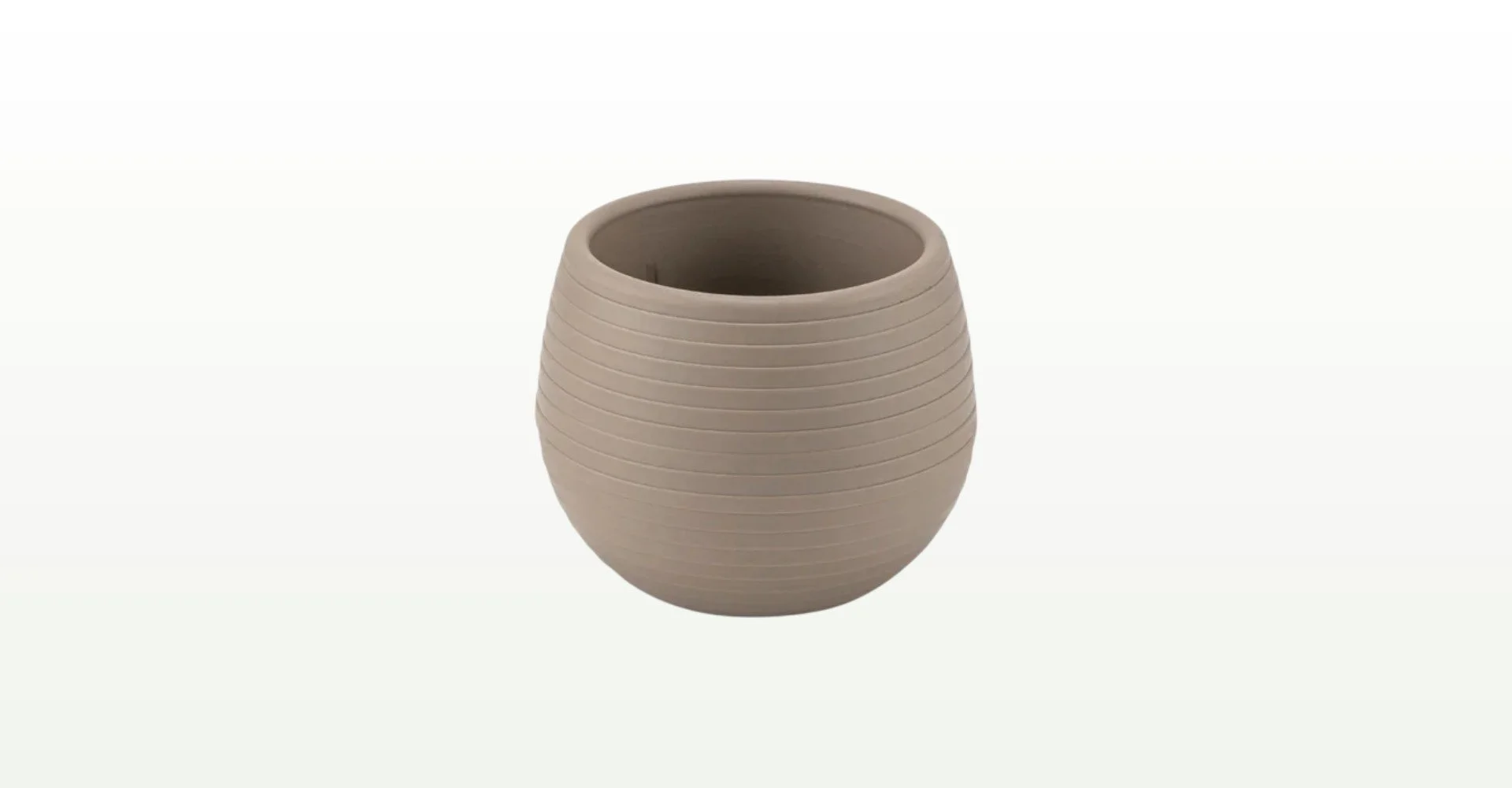
“Do plastic pots harm plants?” is one of the most frequently asked questions. The short answer: not if they are made from the right plastic. The long answer lies in the material.
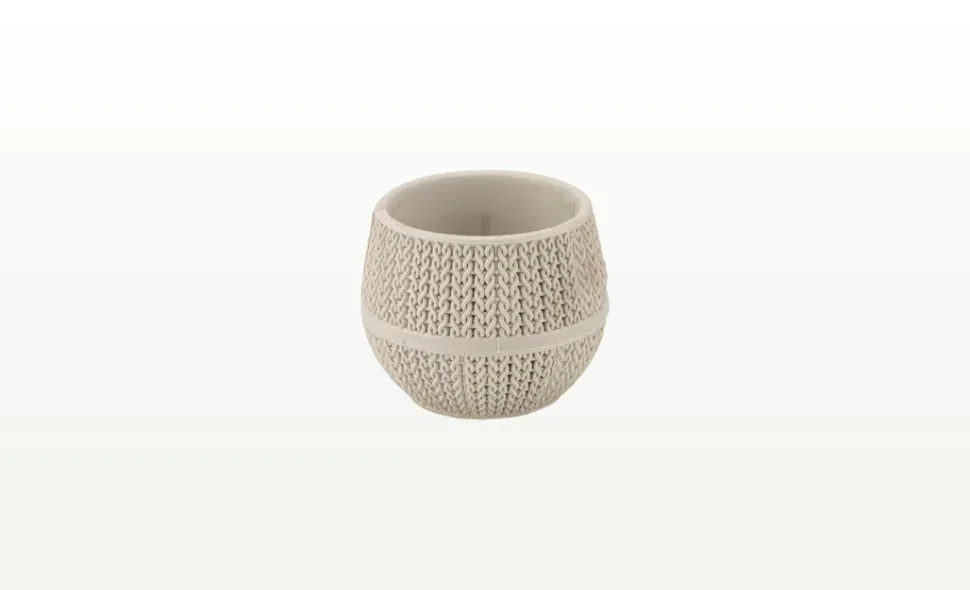
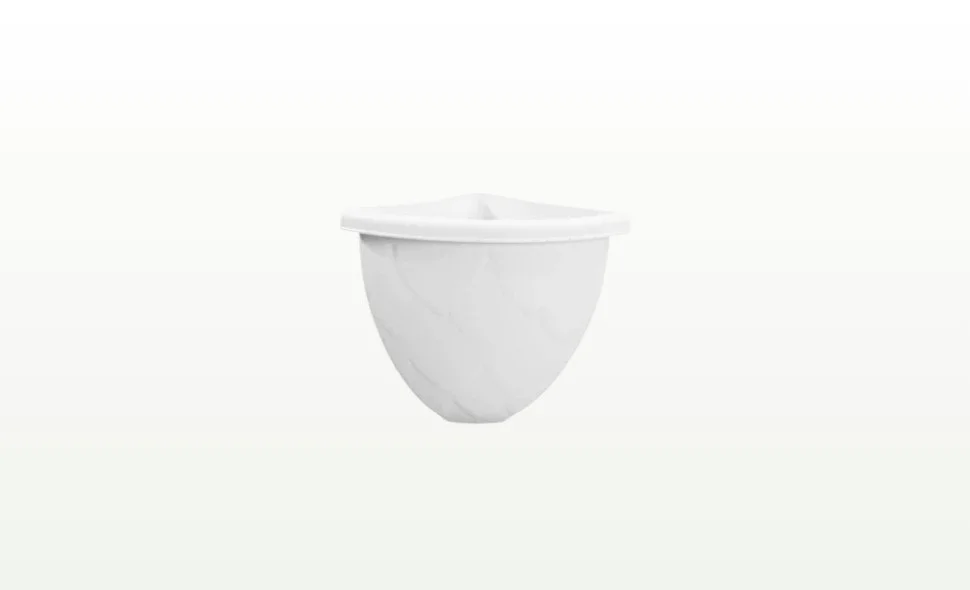
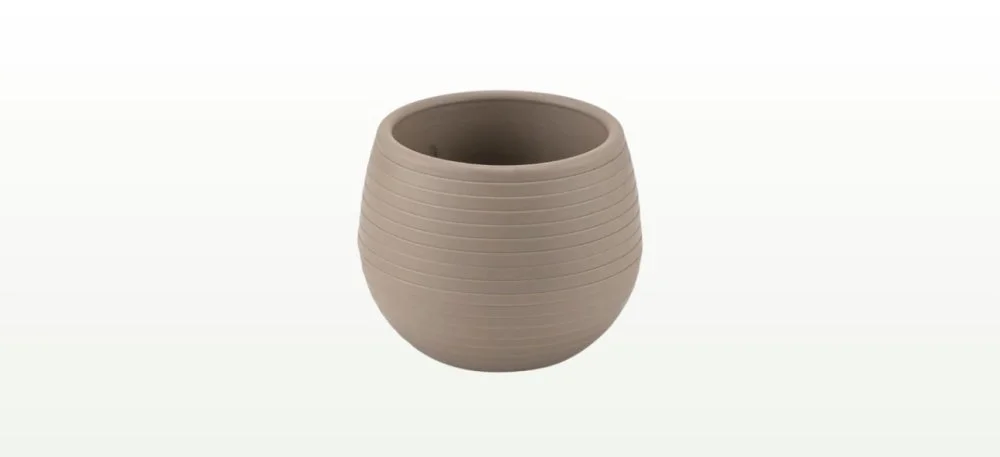
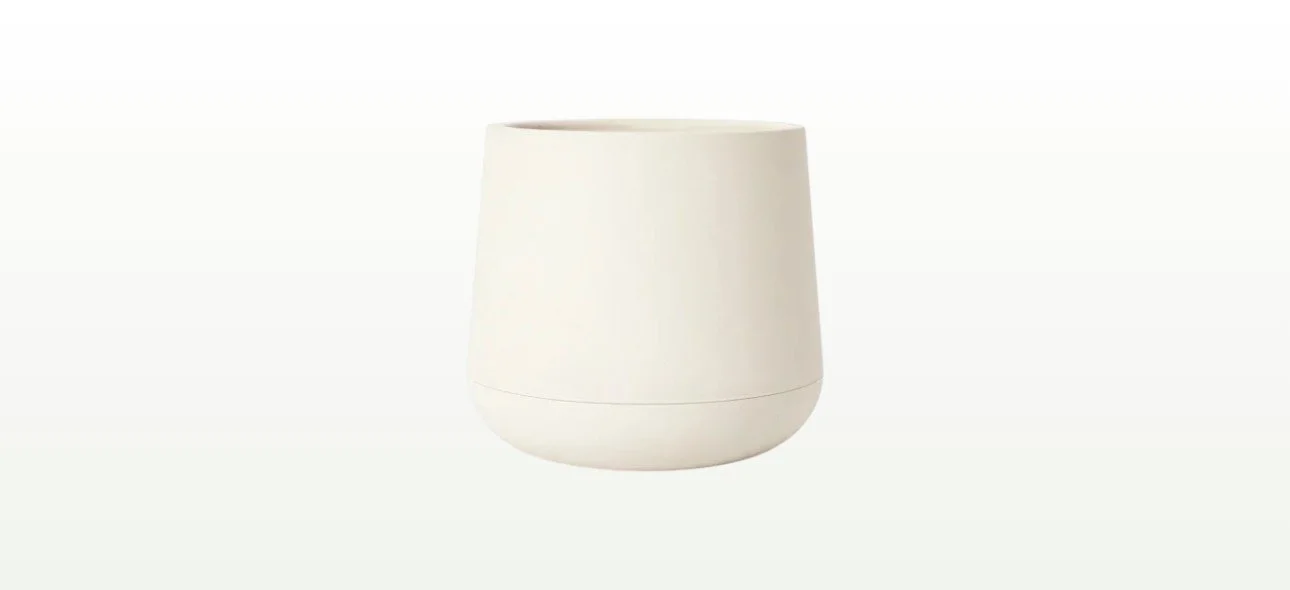
The material used in pots is mostly polypropylene (PP). PP is a chemically stable material also used in food containers; it does not leach substances into the soil or reach the root zone. Serinova pots are made from recyclable polypropylene.
It is not the plant that plastic needs protection against, but the sun. Plastic without UV additives turns matte, fades and becomes brittle by the end of summer; broken pieces mix into the soil. A pot made UV-resistant, on the other hand, keeps its color and strength for years. When buying a pot, the “UV-resistant” label matters more than the material itself.
Any dark-colored pot heats up in the sun; this is not specific to plastic. Practical measures: on a south-facing side, prefer light colors (white, cream, stone white), lift the pot slightly off the ground and keep the volume large. A large mass of soil buffers temperature changes.
Terracotta is porous and evaporates water; it is advantageous for plants that like dry conditions, such as cacti and succulents. A plastic pot holds moisture longer, which is an advantage for most indoor and balcony plants: you water less often. It is also lightweight, unbreakable and resistant to freezing, which is what makes it practical for balconies and terraces.
Recycled PP that comes from a controlled source and is processed correctly delivers the same performance as virgin plastic, while lowering the raw material footprint. Serinova’s production process handles this raw material with injection molding.
The plastic pot itself is not harmful; what is harmful is production without UV additives, thin and brittle. To choose the right pot, take a look at our decorative pot series.